At the Partnership Program, we know that small to mid-sized nonprofits are the economic engines of our communities, yet they often face systemic funding disparities. One of the most underutilized resources for bridging this gap is the Community Reinvestment Act (CRA). In our recent webinar, Understanding the Fundamentals of the CRA, we sat down with Robert De Acevedo and Linda Maldonado from CTBC Bank to demystify how banks partner with community organizations.
Here is your executive guide to the conversation, designed to help you navigate the banking ecosystem with confidence.
1. What is the CRA?
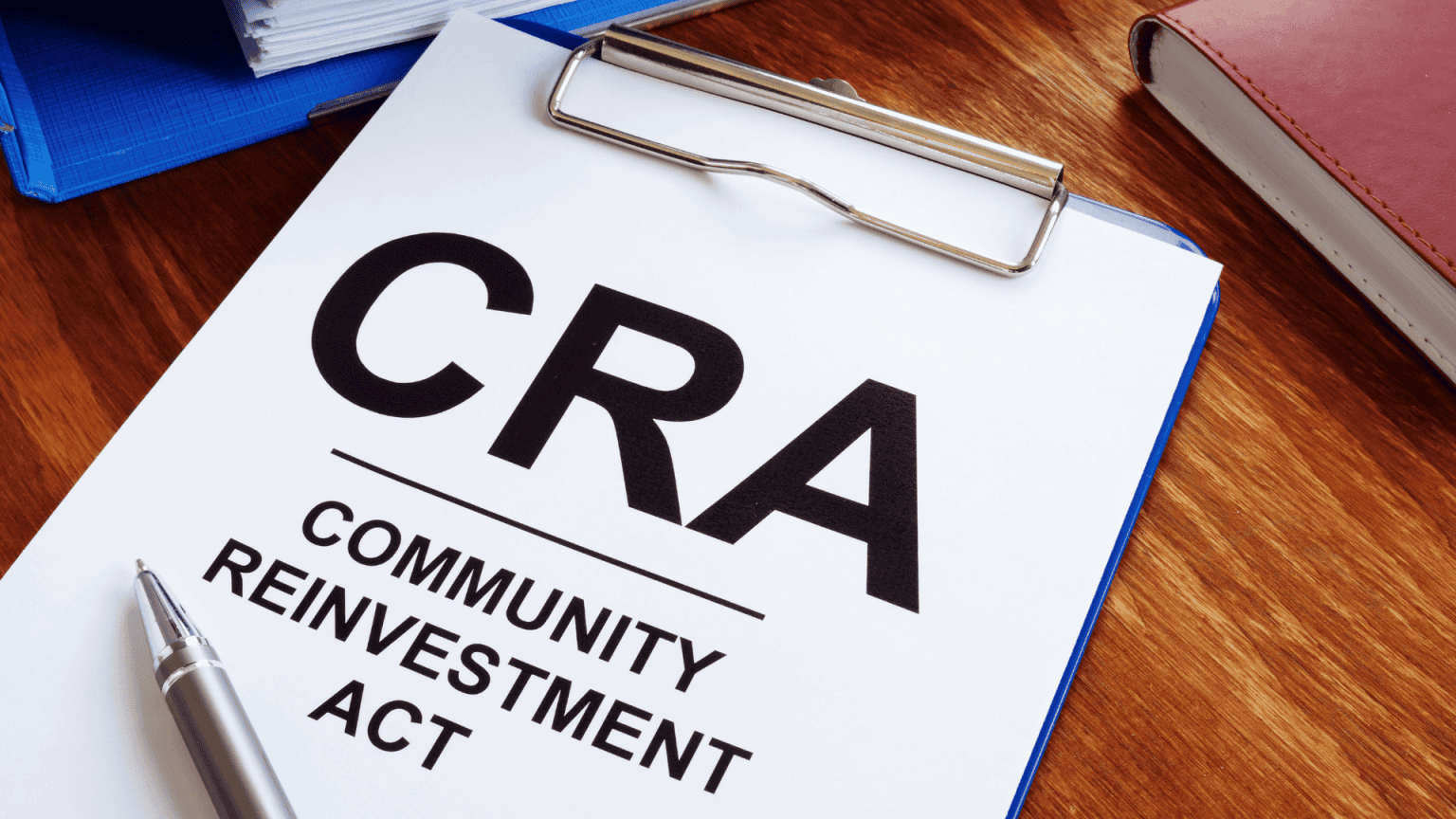
The Community Reinvestment Act (CRA) is a federal law designed to encourage banks to help meet the credit needs of the communities in which they operate.
- Historical Context: It was enacted in response to redlining—the discriminatory practice of denying services to neighborhoods based on racial or ethnic composition.
- The Focus: The law specifically mandates that banks provide safe and sound services to Low-to-Moderate Income (LMI) families and neighborhoods.
- The Accountability: Banks are federally regulated and examined every few years to prove they are serving their communities through lending, investments, and services.
2. The Bank’s Perspective: Why They Need You
Collaboration is not charity; it is a necessity for financial institutions. Banks understand that if their local communities thrive, the bank thrives.
- The Knowledge Gap: Nonprofits are “on the front lines.” You know the unique challenges of the neighborhood better than anyone else.
- The Resource Exchange: While banks bring capital and financial tools, nonprofits bring the strategic partnerships and community trust required to deploy those resources effectively.
3. How to Partner: Beyond the Check
While donations are helpful, a sustainable partnership goes deeper. The webinar highlighted four key pillars of collaboration:
- Financing Affordable Housing: Banks can provide financing to nonprofits looking to preserve or build affordable housing units.
- Financial Literacy Education: Bank staff can lead workshops for your clients on financial empowerment, serving both families and small businesses.
- Workforce Development: Banks can offer mentorship, mock interviews, and resume building to support economic development in your service area.
- Disaster Recovery: Activities that help a designated disaster area recover (such as after wildfires) often qualify for CRA credit, making this a vital area for collaboration.
4. Mastering the Pitch: Tips for Sustainable Partnerships
When approaching a bank—whether at a Partnership Summit or a local branch—preparation is key.
- Do Your Homework: Look at the bank’s website first. Check their “Community” or “CRA” section to see if their current activities align with your mission.
- Know Your Regulator: Banks are regulated by different agencies (FDIC, FRB, OCC). Asking a banker about their regulator and assessment area shows you understand their business model.
- Demonstrate Effectiveness: Be prepared to share your impact report, financials, and verification of nonprofit status. Banks need to verify your capacity to deliver.
- Understand the Timeline: Grants and donations are not immediate. It takes time to establish a relationship and go through the bank’s internal processes.
Pro-Tip: Don’t overlook Community Banks. Unlike large commercial banks, community banks are often relationship-driven and locally focused, making access to decision-makers easier.
5. Taking the First Step
You don’t need a warm introduction to start.
- Visit your local branch: Speak to the branch manager. They are your first line of contact.
- Ask for the right department: Request to be connected to the CRA Officer or the Community Development Department.
- Pitch the connection: Frame your request around how your nonprofit helps the bank meet its CRA goals within its specific assessment area.
Watch the Full Conversation
To hear directly from the bankers on how they rate and assess partnerships, and to view the detailed Q&A session regarding workforce development and disaster relief, click the link below to watch the full webinar.