For small, community-based nonprofits, securing a corporate partnership often feels like an uphill battle against invisibility. Despite doing the bulk of on-the-ground work, these organizations frequently lack the resources to scale their impact. In a recent conversation with the Partnership Program, Becca Ruiz, founder of Impactasnap, discussed how her new platform is dismantling the barriers between local changemakers and major brands.
Ruiz’s vision is to close the “trust and access gap,” turning social media engagement into a sustainable engine for capacity building.
Transcript
Becca Ruiz: Hi, everyone. I’m Becca Ruiz. I’m the founder of Impactasnap. I have been in the social impact space for about nine-plus years. I love being in this world. I will say that I come from the sustainability world, kind of made this transition into the social impact world because my parents founded a nonprofit about forty-plus years ago. My dad was born and raised in Guatemala City and they started a nonprofit called Friends of Guatemala, which provides medical aid and educational scholarships to rural communities in Guatemala.
And so I saw firsthand growing up—because I was privileged enough to go down there many times—to see firsthand the impact that that had on communities. And I knew from the start, that’s what I wanted to do. I wanted to create sustainable change in communities, be that through products, through services. And I really took that lens through corporate partnerships. And that’s why I decided to get my degree in sustainability and to actually go on this venture and start my company called Impactasnap. And I’m really excited to be here with you, Eric, and talk a little bit more about it.
Eric DePalma: Yay, that’s so cool. Like you grew up with a nonprofit kind of right in front of you.
Becca Ruiz: I did, yes. I was going to conferences every year to see the annual reports and got to go down and go on mission trips and see firsthand what these scholarships were doing and what the medical aid was doing. And I just feel really privileged that that’s kind of how I grew up and that giving back was always part of my life. And so, yeah, I knew really early on that that’s kind of the only career that I wanted.
Eric DePalma: That’s so cool. So in your experience, either through growing up or getting into this space, what have you seen as core barriers that prevent small community-based nonprofits and large corporate partners from partnering and connecting efficiently?
Becca Ruiz: Yeah, it’s a great question. I actually think that one of the main reasons I started Impactasnap was for this very reason. And I think the biggest barrier is the trust and access gap. Small nonprofits don’t always have the biggest visibility or bandwidth to reach these brands.
And again, one of the reasons I started Impactasnap is because I wanted to build this pipeline for nonprofits to have access to brands that want to give back and have greater visibility on social media, on platforms like Instagram, to be able to show what they’re doing to give back and to really have a platform to showcase their philanthropic strategy.
And on the other hand, I wanted brands to have a pipeline towards verified or trustworthy smaller nonprofits that they otherwise wouldn’t hear about. And that would also align with their giving strategy. And so, also coming from my background of CSR, I want them to feel like they have the trust in somebody that could make sure that they are aligned and that the nonprofits that they’re working on with actually do make sense and are aligned with their giving strategies. And so again Impactasnap is kind of closing this gap of a curated transparent network that makes the collaboration really quick, incredible and mutually valuable.
Eric DePalma: That’s so awesome. I totally identify with that as someone that has worked in small nonprofits for always. There is that like trust gap and accessibility gap of just even being able to get your foot in the door of these places. And I think there’s also, correct me if I’m wrong, but like an almost like an understanding gap too of like, there’s different end goals for each entity and understanding that across the aisle kind of thing can be kind of difficult.
Becca Ruiz: Absolutely. Yeah, I will say, you know, brands are looking to get the word out about what they’re doing. And, you know, nonprofits are also looking to get the word out about what they’re doing, but their end goal is, like you said, very, very different. And I think with solutions like Impactasnap, you’re able to meet all those goals in a really seamless, quick way. And like when it comes to nonprofits that probably don’t have the resources to do these things as efficiently as possible, it’s really great to have something like that that can do it for you.
Eric DePalma: So yeah, I think that’s great. I’m so interested, I’m gonna go a little off script right now because I’m just so interested in this question that just popped in my head. But from your experience, what’s the best way that you’ve found to approach these corporate partners and propose participating in a campaign like this where it’s like, you know, at the end of the day, there is money that needs to be exchanged? Do you advise your nonprofit partners to approach in a specific way? And I guess as a follow-up to that, what’s your goal with this platform to kind of make that whole process maybe more accessible to nonprofits?
Becca Ruiz: Yeah, yeah, it’s a great question. So I will say the way that I am approaching corporations about Impactasnap is that one, you know, companies are spending millions of dollars on social impact to say, “Hey, we care about giving back. We care that our customers care about giving back, about sustainability, about philanthropy.” But it gets lost. Customers see that the Walmarts of the world, that they have a place in community, but it gets lost in sustainability reports. It gets lost in press releases.
And Impactasnap is about getting the average person involved and what better place to do that than social media where a lot of people live day to day. And so what I’m telling companies is instead of writing a check to your local Big Brothers Big Sisters or your local food pantry and having it go under the table or be hidden in a press release, why aren’t you making this known on a social media platform like Instagram? Where your own fans and your own customers and your own nonprofit supporters that you already work with can spread the message and can be spreading the love and the word about what you’re doing and about the nonprofit that you already support.
And so in addition to getting a tax benefit, you’re also getting PR, you’re also getting brand awareness, you’re also getting brand positivity, all because of something you’re already planning to do, which is give. And so that’s kind of how I’m approaching brands. And that’s how I would also suggest nonprofits to approach any company that they’re thinking could benefit from a service like Impactasnap. I think that it’s honestly a waste to be giving a transaction without getting awareness out there because it can be a chain effect or a reaction that can be creating more donors, more supporters and more funds.
Eric DePalma: Absolutely. There’s a saying, and I don’t know where it comes from, but especially in nonprofits and communications, that no one’s going to celebrate you until you celebrate yourself, right? So I think a lot of nonprofits don’t think about celebrating when you get a grant and telling everyone. But it’s important to do that. It’s important for people to see that you are achieving your mission. And I think the same thing from the for-profit side, it’s important for people to see that you’re a part of community.
How does Impactasnap ensure that its brand partnerships provide a capacity building benefit, not just a one-time check for the smaller non-profits that they might work with?
Becca Ruiz: Yeah, really, really great question. And I think I kind of touched on this in the last one because the whole idea is that we’re designing every campaign so that nonprofits are not just getting money and funding at the end by their sponsor, but you’re also getting momentum and you’re getting awareness of your mission. So yeah, brands are not just donating, they’re activating through these social posts. And you’re getting this ongoing visibility, you’re getting new supporters, you’re getting long-term awareness for the nonprofit.
And it’s through these posts that folks can share. Again, social media is a place where folks are constantly trying to share what’s important to them. It’s a place where that is constantly expanding an audience. And so that’s what really excites me about Impactasnap is that the minute you put something out there, it can be shared. And so again, it’s not just “here’s a campaign, we raised money, hooray.” It’s out there for the world to continue sharing.
And I think you made a really good point before about we’re not trying to be performative because people can spot that now. You can see the moment that a company is not being genuine. And that’s why I wanted it to be very important to Impactasnap that this is authentic user-generated content. These are your own fans that are promoting your mission and people that want to promote your mission. And so that’s what gets me excited about it. It’s people that care, that want to be posting, that want to be sharing your news, that want to be promoting the good that your company is doing and that your non-profit’s doing so it’s kind of this ripple effect.
Eric DePalma: I love that. And I’m such a huge supporter of efforts that are accessible, not only obviously for nonprofits and businesses—and I get small businesses too could participate in this, which I think is great—but it’s also accessible for any type of supporter, right? You don’t have to have money that you can donate, right? You just have to have a social media account, which I think opens the doors. There are so many other ways of supporting your favorite missions or causes that are important to you than just giving money. And especially in this day and age, right? When money is a little more scarce than it has been in the past. I think that’s really important, especially for building community.
Becca Ruiz: Exactly. No, agreed. I think one of the first things I thought of when building Impactasnap was how do I make giving accessible? How do I make it free for anyone that has an account, anyone who just wants to be creative and give back with a snap? That was the idea because yeah, I think everyone should have the power to give back and be creative and, with the sponsorship idea, that’s possible.
Eric DePalma: Absolutely. Okay. Can you share an example that illustrates how this partnership model drove both the visibility and sustainability for a nonprofit that was previously overlooked?
Becca Ruiz: Yes, I’m happy to. So we do have a campaign with a group. The sponsoring company is called the Giddy Group. And they are very passionate about conservation. And so the nonprofit they decided to support was the New England Forestry Foundation, which they do incredibly important work around conservation, but they’re not widely known outside of the New England area, outside of the conservation world.
And so through the Impactasnap brand campaign, they were able to reach new audiences, gain new donors, and they saw an uptick in engagement on Instagram, all because we just made these simple shareable posts. And we were able to engage people outside of their audience. We were able to engage the Giddy group, other folks that just care about conservation forestry in general, and engage them in a free campaign that allows them again to give back to conservation in a simple way just by again posting a picture of them being out and “giddy” in nature.
And because of that, they were able to post and five dollars was contributed to the New England Forestry Foundation for every post. And so with that, you know, it proved that these maybe overlooked nonprofits can still get immediate support and still some lasting visibility when you put them at the center of kind of these socially driven giving campaigns because they deserve the visibility, the brand deserves recognition, and they deserve to get the funding and awareness out as much as possible. And yeah, I’m really proud that Impactasnap is able to provide that.
Eric DePalma: I love that. And I want to tell you, well, first of all, I love your website. It’s so pretty. And the reason I wanted to have you on one of these episodes is because one of the hardest parts that I find with being in partnership, as much as I love partnership, is just coming up with the initial idea or something to pitch a partner. I’m very much a type of person that likes to get into conversation and kind of just try and figure it out. And I know that’s not how everyone operates, right? Some people are just like, I want a proposal. I want an idea, right?
And I love that this platform, this tool, just kind of gives a path forward. It doesn’t take a lot of prep beforehand. You’re not planning an entire idea. You’re like, OK, this is the pathway. How do we both get on it? What’s the plan to kind of do this? And then all the tracking and things are taken care of. I just think that’s so cool. We need more tools like this because it gives back the most valuable gift to small non-profits, which is the gift of time.
So I guess my final question here is can you just like give people a quick rundown of what it’s like specifically for small nonprofits finding your website, signing up, hopefully finding a partner, like what’s that process look like? How long does it take? Can small teams do it on their own?
Becca Ruiz: Absolutely. So, yes, I will say, you know, this was designed to be as easy as possible on the nonprofit end and the brand end. But especially on the nonprofit end. So if you go to our website, www.impactasnap.com, you will see that you can create an account. There’s a login button in the right hand corner. And you can create a nonprofit account with your email address.
And the easiest way to be in our platform so that you’re discoverable by brands that can sponsor your Instagram post is making sure that you are on the every.org directory. That is the directory that we use to verify that you are a 501(c)(3) verified nonprofit. That is a hundred percent free to register for, is easy peasy, takes about forty eight hours to be verified through that. Once you are on that, if you are not already, then you are discoverable on our platform. So any brand that you’re currently involved with or that once we have a directory on our end of brands that are willing to sponsor folks, they’ll be able to find you.
Once you have an account created and a brand partner in place, a campaign is created by the brand. It’s approved. We go live and you put your credentials for your banking account. And once the campaign is complete, the brand presses submit and the donation actually goes directly into your account from the brand through the Impactasnap platform because we wanted to make it extremely transparent that the donation is going directly from the brand to the nonprofit. We didn’t want there to be any outside donation confusion. We want folks to know, hey, the donation is being made at the end of the campaign.
So yeah, really, it’s just a matter of signing up and getting your donation made to you. The only thing I will say is that we’re in the process of making a directory of brands that are willing to sponsor these kinds of posts. And once I have that up and running, we’ll be able to start doing more specific matches. But beyond that, that’s really the process. Tried to make it as easy as possible for brands to find these nonprofits and to find ones that align with their mission and go from there.
Eric DePalma: So awesome. So there’s kind of like a matching component here.
Becca Ruiz: Yes, they can find the nonprofit through the every.org directory as well. And something that, like I said, we’re working on is creating the other end, so the brand directory, so that if we feel like, oh, there is a great potential match here between the nonprofit and the brand, we could facilitate the nonprofit reaching out versus the brand reaching out to make the campaign happen.
Eric DePalma: That’s awesome. And I love the fact that you guys are facilitating the payment there. So it sounds like when the brand commits to running a campaign, they are committing to an amount. Can they set like ceilings for the donation and things like floors?
Becca Ruiz: Exactly. So when the brand actually makes a campaign on their side of the platform, they’re filling out all the campaign details. So they’re choosing the nonprofit and they’re choosing the maximum amount that they’re willing to donate. So they can put in any amount they want, a thousand dollars, five thousand, et cetera. And then they’re putting in how much money per post they’re willing to donate. So it can be one dollar, five dollars, ten dollars.
And then what the impact is, and then for how long the campaign is lasting, the dates that it’ll actually go live on our public challenges page on the website so anybody can see what the campaign is all about. And then the Impactasnap platform actually tracks all of what is being matched live on Instagram.
Eric DePalma: That’s so cool. Oh my gosh. I’m so excited to see this and I’m definitely going to have Haven sign up and be on there. I think this is just so cool. I’m so excited to see where this goes. I’m so excited that you’re also participating in our program. And honestly, I mean, if there’s anything else that we can do, please let us know. Cause I know that we want more tools like this, nonprofits want more tools like this, and I love that you’re just prioritizing social impact and community.
Becca Ruiz: Absolutely yes. And if I didn’t mention it before just know that Impactasnap is always free for non-profits. Just making it very, very clear that our goal here is to always keep Impactasnap free because we just want to be a resource for you guys to spread your message and awareness and get you funding through these social campaigns because it’s important that brands that support you are also supporting you long-term.
Eric DePalma: Absolutely. Oh, thank you so much Becca, this has been so fun. I’ve loved learning about this. I can’t wait to see what else comes as you continue to grow and find more success, which I’m sure you will. So thank you so much.
Becca Ruiz: Of course, thank you for having me, I so appreciate it.
The Core Barrier: The Trust and Access Gap
When asked what prevents small nonprofits and large corporate partners from connecting efficiently, Ruiz identified a specific hurdle known as the “trust and access gap.” For nonprofits, this challenge manifests as a lack of visibility; smaller organizations often do not have the bandwidth required to reach major brands and get their foot in the door. Conversely, corporations often possess the desire to give back but struggle to verify if a smaller, lesser-known nonprofit is trustworthy and aligned with their giving strategy.
Impactasnap was built to bridge this divide by creating a curated, transparent network. The platform provides brands with a pipeline of verified nonprofits—vetted through the every.org directory—allowing them to partner with confidence while giving small organizations the access they deserve.
Beyond the Check: True Capacity Building
A recurring critique of corporate philanthropy is that it can be transactional—a one-time check hidden in a press release or sustainability report that few people read. Impactasnap ensures these partnerships provide lasting capacity building by leveraging user-generated content.
Unlike a quiet donation, brands sponsor social media campaigns where users post content to unlock funds. This mechanic generates momentum and ongoing visibility for the nonprofit that lasts well beyond the initial campaign. Because the campaign lives on social media, specifically Instagram, it allows the nonprofit’s mission to be shared by new audiences, creating a ripple effect of awareness and connecting the organization with potential new donors. Furthermore, the model relies on authentic posts from people who genuinely care about the mission, effectively avoiding the performative feel of traditional corporate advertising.
A Success Story: The Giddy Group & New England Forestry Foundation
Ruiz shared a concrete example of how this model drives sustainability for overlooked organizations through a partnership between The Giddy Group, a brand passionate about conservation, and the New England Forestry Foundation (NEFF). While NEFF does critical conservation work, they were not widely known outside of the New England area or the forestry sector.
The partnership launched a campaign where users posted pictures of themselves being out and “giddy” in nature. For every post shared, five dollars was contributed to NEFF. The campaign successfully engaged people outside of NEFF’s traditional audience, driving an uptick in engagement on Instagram and connecting them with new donors who care about conservation. By democratizing access to corporate funding, Impactasnap is proving that you don’t need a massive marketing budget to secure a major partner, just a community willing to share your story.
How to Get Involved
For nonprofits interested in joining the platform, the process is designed to be accessible and free.
- Register: Create a nonprofit account on the Impactasnap website.
- Verify: Ensure your organization is listed on the every.org directory (a free process that takes about 48 hours) to become discoverable by brands.
- Receive Funds: Once a campaign is complete, the brand submits the donation directly to your account through the platform, ensuring full transparency.
About Rebecca Ruiz
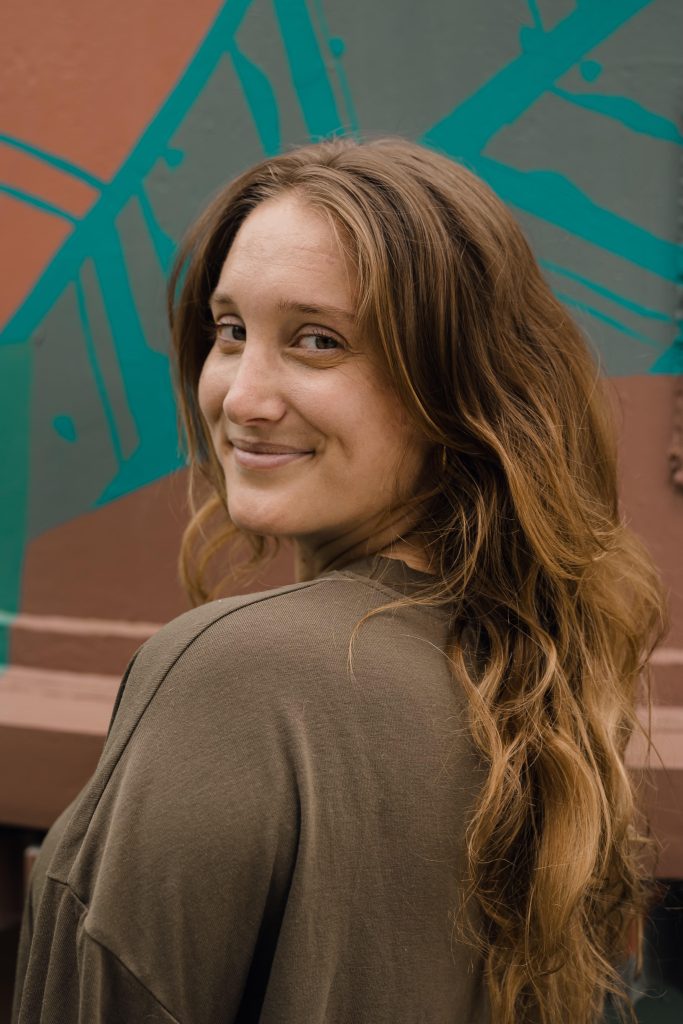
Becca Ruiz is a social impact and nonprofit partnership strategist and the founder of Impactasnap, a platform that helps nonprofits and purpose-driven brands turn everyday social media posts into real-world impact. Her work focuses on making fundraising, engagement, and impact storytelling more accessible through digital platforms.
Previously, Becca led corporate social responsibility and purpose initiatives at The Wendy’s Company and Crocs, Inc., where she partnered closely with nonprofits, employees, and cross-functional teams to bring social and environmental programs to life at scale.